 By Usman
Choosing the best cities to visit in Japan for first timers feels overwhelming when every corner of the country looks completely magical on social media. My first trip was a dizzying blur of neon alleys, silent shrines, and missed train transfers. You want bullet train efficiency, incredible ramen, and rich traditions without burning out. Getting your first itinerary right makes all the difference.
Tokyo: Neon Energy and Neighborhood Contrasts
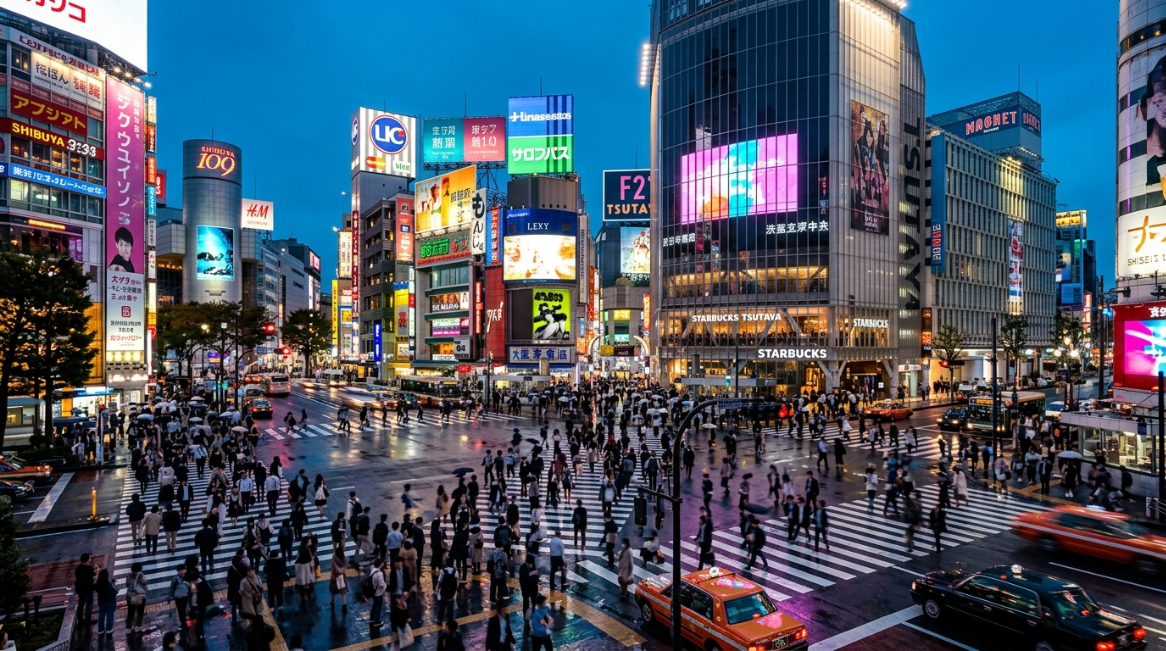
Futuristic skyscrapers standing beside quiet residential backstreets make Tokyo the ultimate starting point for any Japanese journey. What makes this metropolis so extraordinary for beginners is how effortlessly it balances hyper-modern districts like Shibuya and Akihabara with historic neighborhoods like Yanaka and Asakusa. You can browse vintage record shops in Shimokitazawa in the morning, pray at the ancient Senso-ji temple by noon, and spend your evening watching neon reflections across the famous Shibuya Crossing.
This city is ideal for travelers who love buzzing urban energy, world-class dining, and pop culture. Subways run with surgical precision, English signage is clear on every major line, and heated vending machines serve hot canned coffee on nearly every block. The main downside is sheer scale: Tokyo subway navigation can intimidate first-time visitors, especially when dealing with sprawling multi-level stations like Shinjuku where one wrong underground exit drops you four city blocks away from your target.
Kyoto: Ancient Temples and Wooden Machiya Streets
Preserved wooden machiya townhouses and tranquil moss gardens define the former imperial capital of Japan. Kyoto holds over two thousand Buddhist temples and Shinto shrines, functioning as the cultural and historical heartbeat of the country. Walking through the soaring bamboo groves of Arashiyama at dawn or hiking through thousands of vermilion torii gates at Fushimi Inari Taisha gives you a deep connection to classic Japanese heritage.
Culture enthusiasts and photographers will consider Kyoto an absolute dream. Exploring the stone-paved lanes of Gion or Higashiyama in the late afternoon rewards you with quiet teahouses, artisanal ceramic workshops, and the occasional glimpse of a geiko heading to an evening appointment. The honest trade-off is heavy daytime crowding: popular shrines get packed with tour buses by mid-morning, making early morning wake-ups essential to experience the historic Kyoto atmosphere in quiet reflection.
Osaka: Street Food Culture and Late-Night Comedy
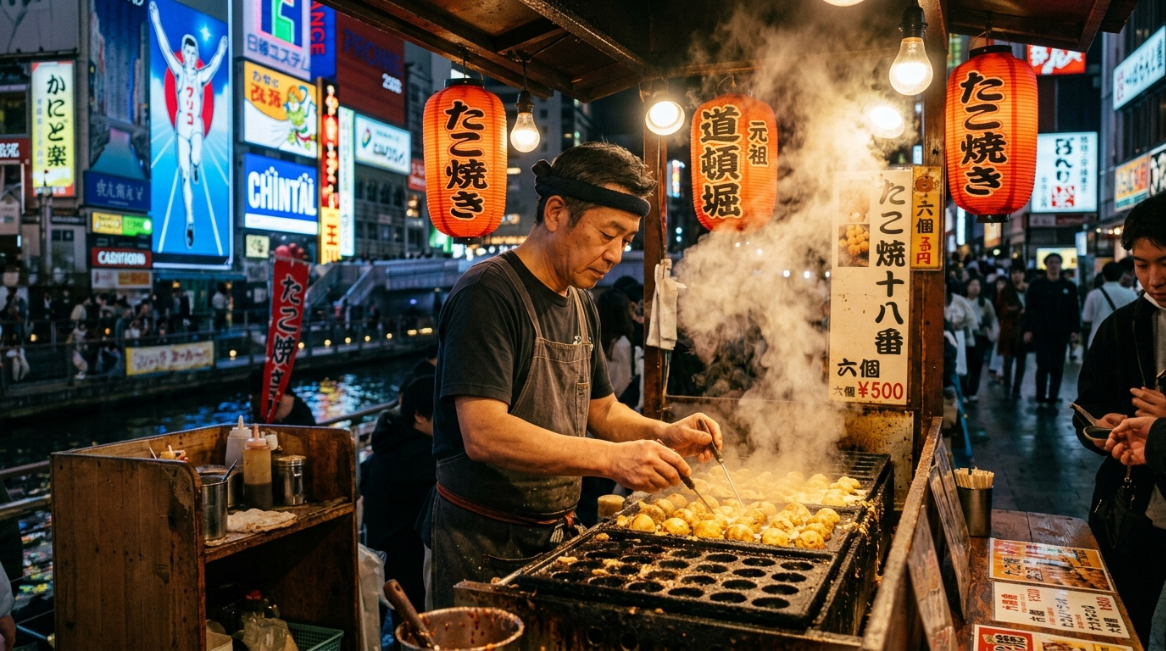
Loud, unapologetic, and fiercely proud of its culinary identity, Osaka serves as the warm counterweight to Tokyo’s polished exterior. The city revolves around kuidaore, a local concept that translates roughly to eating yourself into financial ruin. The vibrant Dotonbori entertainment district comes alive after dark with towering motorized signs, blazing LED displays, and alleyways packed with sizzling open-air griddles.
Food lovers and extroverted travelers will adore the friendly, casual locals who are always eager to chat over a cold draft beer. Grabbing a piping-hot tray of takoyaki street food or sharing a savory okonomiyaki pancake at an open counter creates instant travel memories. The trade-off is that Osaka lacks the classic temple aesthetics of Kyoto and the sleek architectural variety of Tokyo, functioning primarily as a modern food, comedy, and nightlife playground rather than a historic sightseeing hub.
Hiroshima and Miyajima: Resilient History and Floating Gates
Deeply moving history and coastal beauty make Hiroshima an essential stop along the classic first-timer rail route. The Peace Memorial Park and Museum present twentieth-century history with profound dignity and care, offering a reflective experience that leaves a lasting impression on every traveler. Just a short train ride and scenic ferry crossing across the bay brings you to Miyajima Island, where wild deer roam along the beach beneath ancient mountain forests.
Standing before the giant camphor-wood floating torii gate at Itsukushima Shrine during high tide feels utterly majestic. Hiroshima is remarkably easy to navigate thanks to its vintage streetcar network, and local specialty dining features savory Hiroshima-style okonomiyaki layered with cabbage and yakisoba noodles. The downside is that the city center is fairly modern and quiet at night, meaning one or two nights is plenty of time before moving on to the next destination on your itinerary.
Also Read: Most Beautiful Islands to Visit in Greece 2026
Kanazawa: Samurai Heritage and Golden Artistry
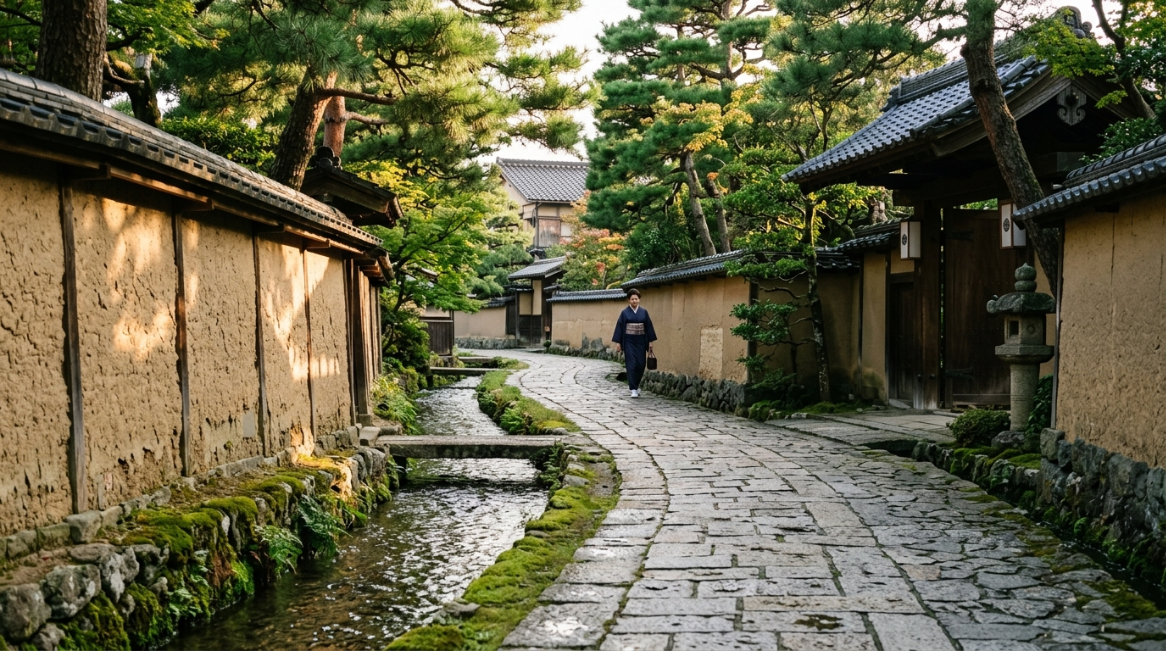
Tucked between the Sea of Japan and the Japanese Alps, Kanazawa delivers the historic charm of Kyoto without the overwhelming tourist crowds. The city escaped wartime destruction, preserving authentic Edo-period samurai residences in the Nagamachi district and three beautifully maintained geisha quarters with dark latticed timber facades. Kenroku-en, located near the reconstructed castle grounds, consistently ranks as one of the three great landscape gardens of Japan.
Art collectors, craft enthusiasts, and travelers looking for peaceful regional culture will fall in love with Kanazawa. You can watch artisans beat gold leaf into impossibly thin decorative sheets, tour cutting-edge exhibits at the 21st Century Museum of Contemporary Art, and feast on fresh sea urchin at Omicho Market. The only notable drawback is routing: reaching the coastal region requires a two-and-a-half-hour ride on the Hokuriku Shinkansen bullet train from Tokyo, making it slightly out of the way for rushed one-week itineraries.
Nara: Ancient Giants and Bowing Sika Deer
Hundreds of free-roaming sika deer greet you the moment you step into Nara Park, bowing politely in exchange for roasted rice crackers sold by local vendors. As Japan’s very first permanent imperial capital in the eighth century, Nara contains some of the oldest and largest wooden structures on earth. The centerpiece is Todai-ji temple, a jaw-dropping timber hall that houses the Daibutsu, a towering fifty-foot bronze Buddha statue.
Day-trippers based in Kyoto or Osaka will find Nara an effortless forty-five-minute train journey that delivers immense historical payoff. Strolling the lantern-lined stone pathways of Kasuga Taisha through ancient cedar forests feels like stepping straight into a classic Japanese painting. The trade-off is that most visitors treat Nara strictly as a Nara day trip, which means midday crowds in the park can feel overwhelming around lunch before clearing out by late afternoon.
How to Connect the Best Cities to Visit in Japan for First Timers
Mapping out a logical route along the famous Tokaido Shinkansen bullet train line allows first-timers to move between high-energy metropolises and serene mountain towns with zero logistical stress. This classic route links Tokyo, Kyoto, Osaka, and Hiroshima into an efficient, high-speed rail chain that eliminates the need for expensive domestic flights.
- Spend five nights in Tokyo to adjust to the time difference, explore distinct neighborhoods, and take a day trip to Kamakura or Mount Fuji.
- Dedicate three nights to Kyoto for temples, bamboo groves, and traditional tea ceremonies, using one afternoon for a side trip to Nara.
- Book two nights in Osaka for world-class street food, neon-lit nightlife, and easy connections to Kobe or Himeji Castle.
- Stay one night in Hiroshima to tour the peace memorials and watch the sunset over Miyajima Island.
Following this balanced route ensures you experience the best cities to visit in Japan for first timers without feeling like you live out of a suitcase.
Transit Rules and Digital IC Cards for Smooth Travel
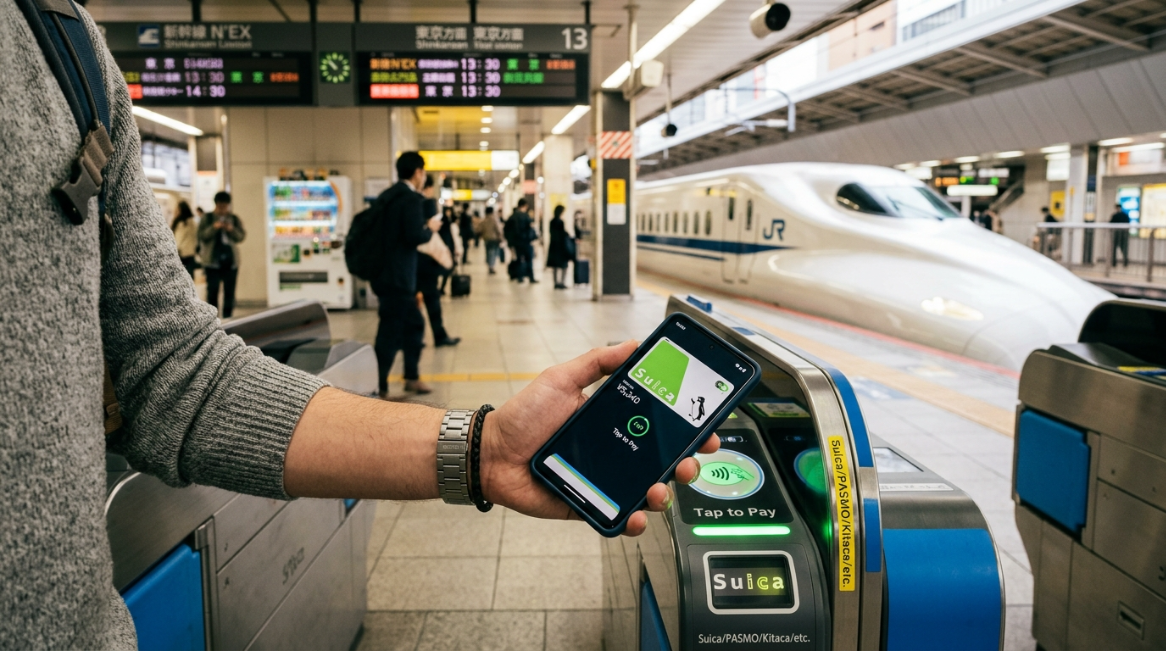
Riding Japanese public transit is an absolute joy once you set up the right digital tools on your phone before departing. Instead of buying individual paper tickets for every subway ride, add a digital Suica or Pasmo card directly into your smartphone wallet. You simply tap your phone at the ticket gates, board the train, and tap out without stopping.
These versatile digital transit IC cards also work for buying cold drinks at vending machines, paying for laundry at neighborhood laundromats, and checking out at local convenience stores. When booking bullet train tickets between major cities, use the official SmartEX app to reserve Shinkansen seats and link them directly to your digital card. FYI, oversized luggage requires specific seat reservations with luggage space on Shinkansen trains, so book the last row of your carriage if you carry large suitcases.
Daily Habits and Etiquette That Make Life Easier
Daily routines in Japan follow subtle social customs that keep public life remarkably clean, quiet, and orderly. Talking loudly on mobile phones inside train carriages or walking while eating messy food on crowded sidewalks is generally avoided by locals. Carry a small plastic bag inside your daypack, because public trash cans are rare on Japanese streets, requiring you to carry your garbage back to your hotel room.
Stopping at konbini chains like 7-Eleven, Lawson, and FamilyMart quickly becomes an essential daily habit for tasty, budget-friendly meals. These spotless convenience stores sell gourmet egg salad sandwiches, steaming pork buns, high-grade onigiri, and fresh drip coffee for just a few dollars. IMO, picking up an early morning breakfast from a Japanese convenience store konbini before hitting popular temples saves hours of dining time while keeping your daily food budget lean.
Frequently Asked Questions
How many days do you need for a first-time trip to Japan?
Ten to fourteen days is the ideal timeframe for your first visit. That gives you four to five days in Tokyo, three days in Kyoto, two days in Osaka, and enough breathing room for day trips to Nara, Hakone, or Hiroshima without rushing through major sights.
Which are the best cities to visit in Japan for first timers on a 10-day trip?
Tokyo, Kyoto, and Osaka form the classic golden triangle for a ten-day itinerary. These locations showcase the country’s striking balance between futuristic neon skylines, ancient wooden temples, and lively street food culture, all connected seamlessly by the high-speed Tokaido bullet train line.
Do I need cash in Japan or can I use credit cards?
Major hotels, department stores, and train stations accept international credit cards, but Japan still runs partially on cash. Always carry ten to twenty thousand yen for small ramen shops, temple entrance fees, and neighborhood street vendors. You can withdraw cash easily at 7-Eleven ATMs.
Is English widely spoken in major Japanese cities?
English signage is common in subway stations, bullet train terminals, and major tourist attractions. Most restaurant menus feature English translations or photo guides. While many locals speak basic conversational English, having Google Translate with offline camera translation handles any complex situations smoothly.
What is the best season to visit Japan for the first time?
Spring from late March to May and autumn from October to November offer the best travel weather. You get crisp sunny days, comfortable walking temperatures, and stunning scenery from cherry blossoms or fiery autumn foliage, avoiding the sweltering humidity and typhoons of mid-summer.
Conclusion
Taking your first trip to Japan is an unforgettable experience that completely reshapes how you think about public transit, hospitality, and delicious food. Starting with the classic rail route lets you experience the country’s incredible range of ancient traditions and futuristic energy at your own pace. Which Japanese city are you most excited to explore first?
[…] Also Read: Best Cities to Visit in Japan for First Timers 2026 […]