 By Usman
Tracking down the best hidden gems in South America for tourists completely changed how I look at this wild continent. After getting caught in shoulder-to-shoulder queues at Machu Picchu, I started seeking out places where raw nature still speaks for itself. You feel real wonder when you stand on an empty Andean ridge or swim in crystalline mountain rivers without a tour bus in sight.
Lençóis Maranhenses, Brazil: Sweeping White Dunes and Seasonal Lagoons
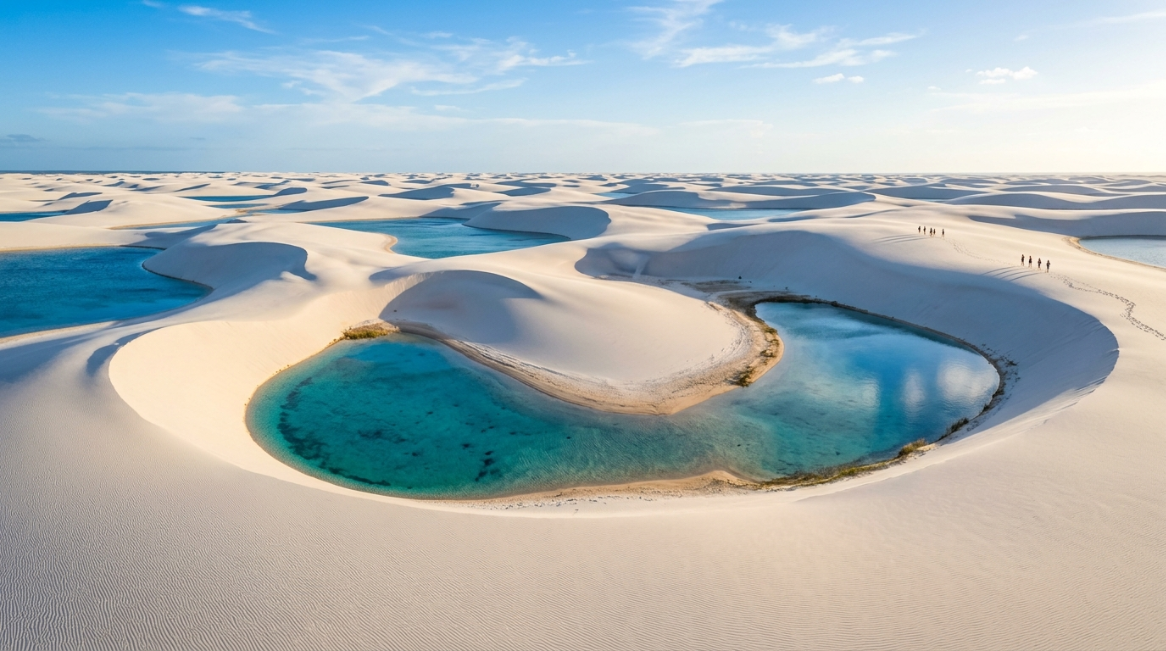
Brazilian travel itineraries often focus exclusively on the packed beaches of Rio de Janeiro, but the northeast coast holds a surreal geographical anomaly. Thousands of sculpted, blindingly white sand dunes roll across the horizon, filled with crystalline rainwater lagoons that appear between June and September.
Swimming in warm, turquoise freshwater basins surrounded by towering sand dunes feels like entering another planet. The park covers over three hundred thousand acres, and local guides lead you across the sands on foot or in open 4×4 cruisers. This area suits landscape photographers, desert lovers, and adventurous swimmers. The honest trade-off is the seasonal timing and transit: visiting outside the rainy season means seeing dry sand basins, and reaching Lençóis Maranhenses National Park requires bumpy rides along unpaved dirt tracks from the small hub of Barreirinhas.
Choquequirao, Peru: The Untamed Sister of Machu Picchu
Perched high above the roaring Apurímac River canyon, this massive Incan archaeological complex receives fewer visitors in an entire week than Machu Picchu gets in fifteen minutes. Stone agricultural terraces cling to steep mountain ridges, showcasing intricate llama figures crafted directly into the walls using white quartzite stones.
Archaeologists have uncovered only thirty percent of the ruins, leaving vast sections blanketed in dense cloud forest vegetation. Exploring these quiet plazas gives you an authentic sense of mystery that commercialized heritage sites lost decades ago. This trek is best suited for committed hikers and history enthusiasts who want an unfiltered expedition. The clear downside is physical access: the demanding Choquequirao trek requires four days of grueling hiking down into a sweltering canyon and climbing back up steep mountain switchbacks.
Also Read: Best Places to Visit in Southeast Asia 2026
Barichara and Chicamocha Canyon, Colombia: Red Clay and Silent Streets
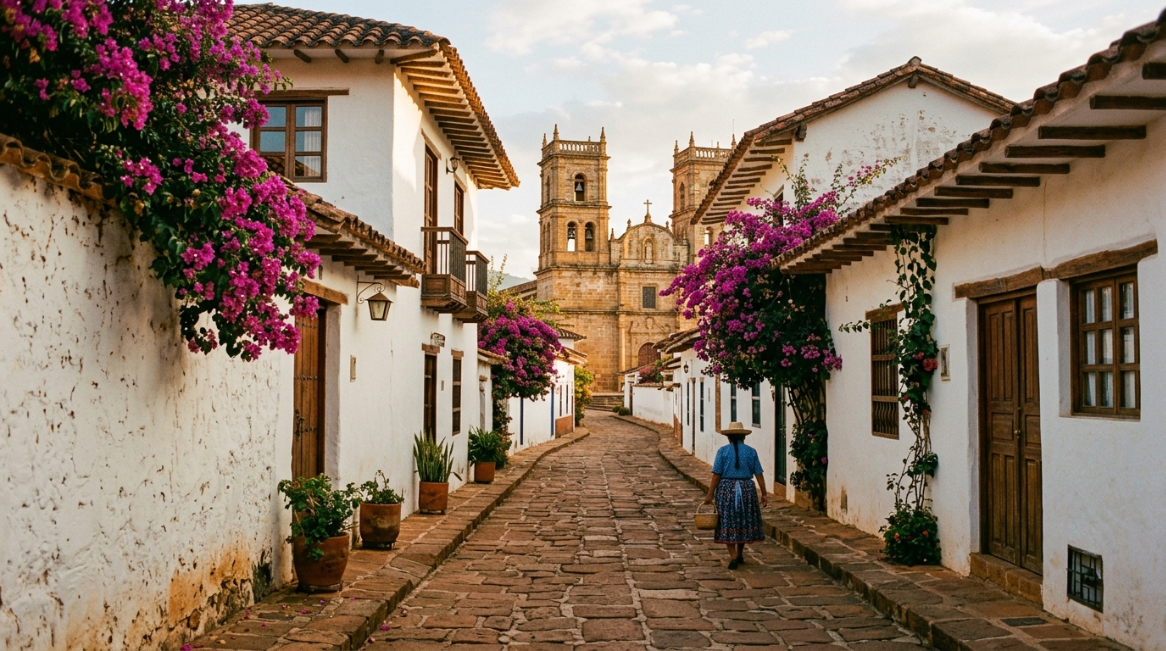
Walking along the peaceful cobblestone lanes of Santander province feels like stepping straight into a preserved seventeenth-century colonial village. Barichara features whitewashed adobe houses with terracotta roofs, stone-carved churches, and blooming bougainvillea spilling over courtyard walls.
A stone path known as the Camino Real hiking path leads from town down through arid hills to the tiny rural hamlet of Guane. A thirty-minute drive further brings you to the edge of the immense Chicamocha Canyon, which plunges deeper than the Grand Canyon in North America. This corner is heaven for slow travelers, artists, and couples looking for tranquility and authentic regional cuisine like roasted goat and arepas de santandereanas. The trade-off is transit: reaching Barichara requires a seven-hour overland bus ride from Bogota or a winding three-hour mountain drive from Bucaramanga Airport.
Esteros del Iberá, Argentina: A Wildlife Haven Without the Crowds
Wildlife enthusiasts usually book flights to the dense Amazon jungle, but these sprawling wetlands in Corrientes province provide far better animal visibility. The protected marshlands span thousands of square miles of floating vegetation, clear lagoons, and pristine grasslands.
Gliding through calm waterways on silent electric safari boats brings you inches away from wild capybaras, black caimans, swamp deer, and over three hundred bird species. Staying at traditional estancias allows you to ride horses with local gauchos and eat wood-fired asado under brilliant starlit skies. Discovering these hidden gems in South America for tourists gives you an African-style safari feeling in the heart of northern Argentina. The downside involves local infrastructure: unpaved access roads leading into Iberá National Park wetlands turn into slick clay during heavy rainstorms, making four-wheel-drive vehicles essential.
Huilo Huilo Biological Reserve, Chile: Volcanic Rainforest Magic
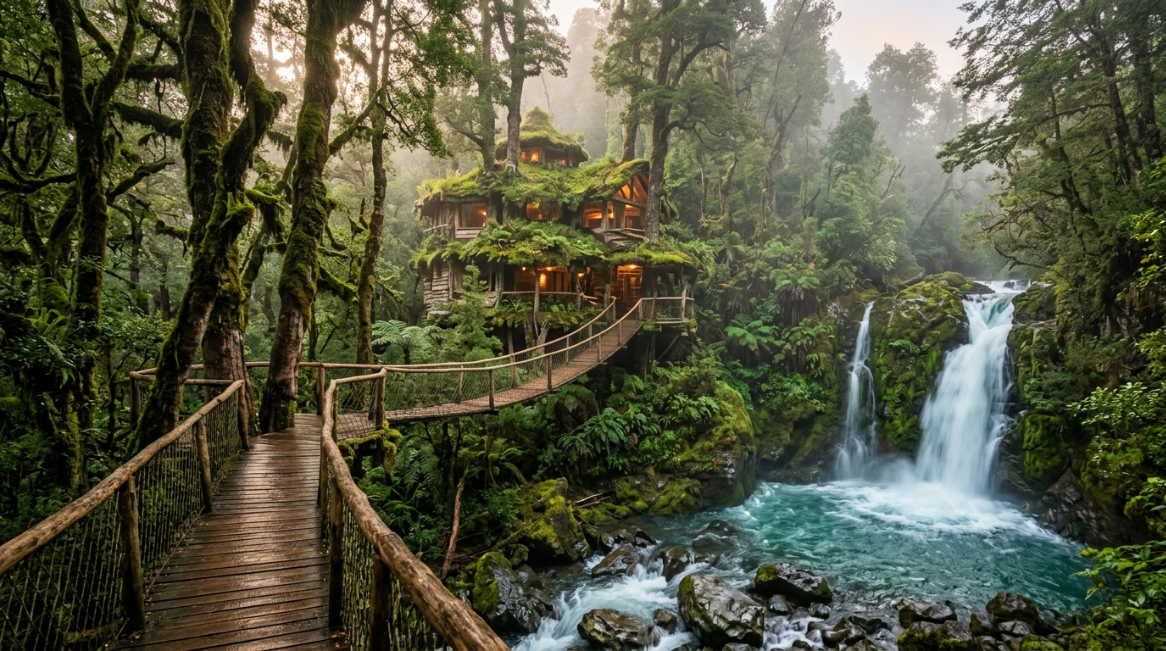
Tucked within the Patagonian Andes of southern Chile, this private nature reserve preserves a wild stretch of temperate Valdivian rainforest. Glacial rivers crash through basalt canyons, while wooden walkways wind through towering moss-covered trees beneath the snow-capped peak of Mocho-Choshuenco volcano.
The reserve combines raw Patagonian wilderness with whimsical architectural lodges built from native timber and living vegetation. You can spend mornings trekking past roaring waterfalls and afternoons soaking in handcrafted wooden hot tubs fed by natural thermal springs. It serves as an ideal sanctuary for romantic couples, hikers, and wellness seekers. The trade-off is the temperamental weather: the lush greenery of the Huilo Huilo biological reserve exists because it rains frequently, so bringing high-performance waterproof shells and thermal layers is mandatory.
Chapada Diamantina, Brazil: Canyons, Caves, and Quartz Pools
Inland Bahia hides a dramatic mountainous plateau filled with sheer red rock canyons, cascading waterfalls, and underground cavern networks. The landscape resembles a tropical version of the American Southwest, punctuated by flat-topped mesas rising above dense valleys.
Subterranean limestone caves hold breathtaking natural wonders like Poço Azul and Poço Encantado, where filtered sunlight penetrates cave ceilings to turn underground pools brilliant shades of sapphire and turquoise. Hiking across the scenic Pati Valley trek offers multi-day wilderness immersion while staying in off-grid homestays hosted by local farming families. It is built for active trekkers and adventure lovers. The downside is language barriers: few guides or locals in the gateway town of Lençóis speak fluent English, making basic Portuguese or Spanish travel skills very helpful.
How to Plan Your Route for Hidden Gems in South America for Tourists
Reaching remote corners across this massive continent demands a smart approach to regional transportation. Long-distance sleeper buses in South America offer exceptional comfort with reclining seats and hot meals, while budget airlines help you skip tedious twenty-hour transit days between major hubs.
- Book long-distance sleeper bus travel through trusted regional platforms like Busbud to save on hotel costs while traveling between distant towns.
- Download offline regional maps on Maps.me and translation packs on Google Translate before entering remote valleys where cellular data drops.
- Keep your travel schedule flexible by adding two buffer days to handle unexpected road closures, weather shifts, or local transit strikes.
- Check regional airline routes through carriers like Flybondi, JetSmart, and LATAM to grab cheap point-to-point domestic connections.
Planning around these transit details helps you connect offbeat towns smoothly without wasting entire days sitting in crowded transit terminals.
Vital Logistics, Safety, and Cash in Offbeat South America
Traveling away from tourist hotspots means leaving behind the convenience of ubiquitous tap-to-pay terminals. Small guesthouses, rural bus drivers, and family-owned restaurants in mountain towns rarely process international credit cards.
Practicing smart rural cash management keeps your journey stress-free. Always carry an emergency reserve of local banknotes and crisp US dollars stored safely in separate bags, because village ATMs frequently run out of money over long holiday weekends. Violent crime is remarkably rare in rural mountain villages compared to crowded capital cities, though basic street smarts remain essential. IMO, buying a local prepaid SIM card from Claro or Movistar at the airport provides steady navigation access across rural highway routes where foreign roaming signals struggle.
Frequently Asked Questions
Which hidden gems in South America for tourists are easiest to reach?
Barichara in Colombia and Huilo Huilo in Chile are relatively simple to reach using domestic flights and paved highway transfers. Both locations provide high-standard boutique hotels, reliable paved roads, and organized regional transport while remaining peaceful and uncrowded compared to major metropolitan tourist centers.
Is it safe to travel off the beaten path in South America?
Rural villages and national park towns across South America are often much safer than crowded capital cities. Violent crime in small towns is rare, though travelers should watch for road conditions, changing mountain weather, and altitude sickness. Always travel with travel insurance and keep emergency contacts handy.
What is the best way to handle money in remote towns?
Carry enough physical local currency to cover meals, local guesthouse stays, and tour fees for several days. Small family businesses rarely take credit cards, and local ATMs often run out of cash over weekends. Bring crisp, undamaged US dollar bills for currency exchange desks.
When is the best time of year to visit these offbeat spots?
May through September brings dry, clear weather to the Andes, Patagonia, and northeastern Brazil, making it ideal for hiking, dune swimming, and photography. The southern hemisphere summer from December to February is warm and vibrant, though afternoon rainstorms are common across tropical wetland and jungle regions.
Do I need to speak fluent Spanish or Portuguese to visit rural areas?
You do not need to be fluent, but memorizing essential phrases for directions, ordering food, and buying bus tickets makes travel much smoother. Locals appreciate the effort, and offline translation apps bridge complex conversations easily. A friendly attitude and patience go a very long way.
Conclusion
Stepping away from crowded landmarks opens up a side of South America that feels deeply personal and alive. When you give yourself time to slow down and wander, the most memorable stories happen in the quiet towns you never expected to find. Which of these off-grid destinations would you pack for first?
[…] Also Read: Hidden Gems in South America for Tourists 2026 […]