 By Usman
Narrowing down the best places to visit in Southeast Asia 2025 comes down to avoiding overrun tourist hubs. I still remember coughing through toxic exhaust fumes in congested cities before finding pure coastal bliss and misty mountain peaks. That overwhelming magic of sensory overload, night markets, and warm ocean breezes never leaves you. You just need to know where the authentic soul of the region actually thrives.
Ha Giang and Ninh Binh, Vietnam: Epic Karsts and Mountain Passes
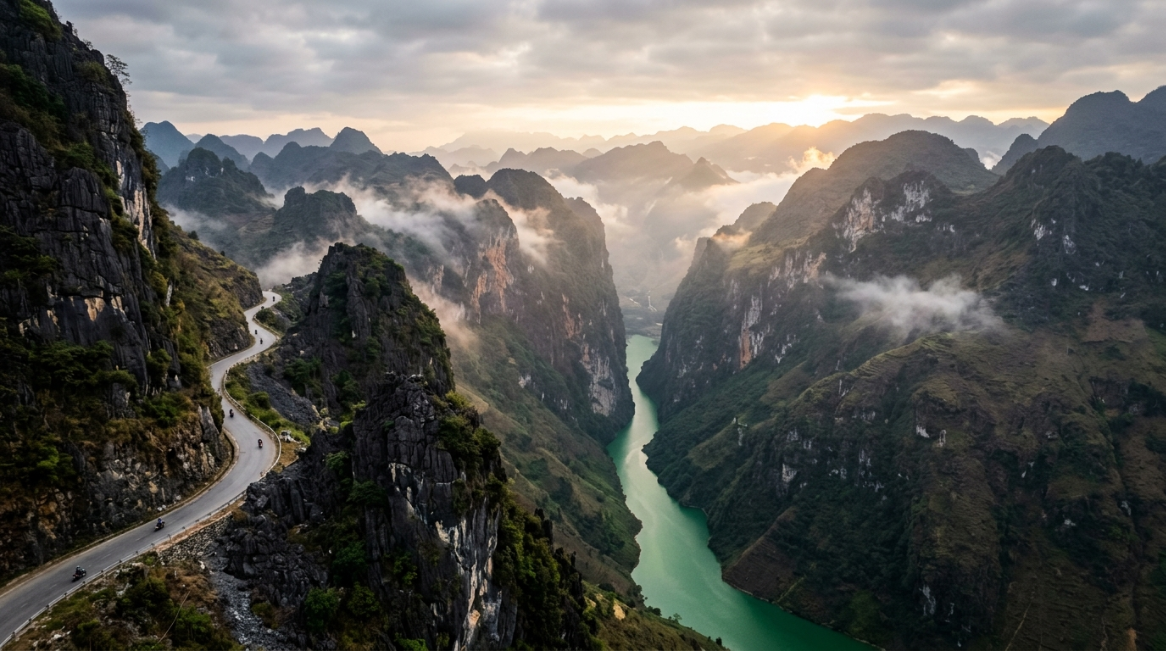
Northern Vietnam delivers raw, cinematic landscapes that put standard tourist cruises to shame. Ninh Binh greets you with towering limestone monoliths shooting out of bright emerald rice paddies, best explored by paddling small wooden rowboats through natural river caves in Tam Coc. Further north along the Chinese border, the high mountain scenery turns truly dramatic.
Renting a semi-automatic motorbike to tackle the Ha Giang Loop offers one of the greatest road trips in the entire world. You wind through deep mountain canyons, navigate dizzying switchbacks on the Ma Pi Leng Pass, and stay in rustic homestays run by ethnic Tay and Hmong families. This region is ideal for adventurous backpackers and landscape photographers. The honest trade-off is physical comfort: riding the loop involves five to seven hours a day on bumpy mountain roads, which can be exhausting in cold mountain rain.
Siargao, Philippines: Tear-Drop Island Energy and Waves
Once a quiet surf outpost, Siargao captivates travelers with endless coconut palm forests, tidal rock pools, and world-class reef breaks. The island maintains a magnetic bohemian charm, filled with cozy smoothie bowl shacks, beachfront live music, and friendly local surfers who treat newcomers like old friends.
Surfers flock here for the famous Cloud 9 surf break, but non-surfers have just as much to do. You can hire a traditional outrigger boat to spend lazy afternoons hopping between Guyam, Daku, and Naked Island, swimming in water so clear boats appear to float on air. It ranks among the best places to visit in Southeast Asia 2025 for solo travelers looking for community. The downside is island infrastructure: local power grids suffer frequent brownouts, and mobile data signals often vanish during afternoon rainstorms.
Also Read: Top Underrated Travel Destinations in Europe 2026
Luang Prabang, Laos: Golden Temples and Slow River Living
Morning mist rolling off the Mekong River sets the meditative rhythm of northern Laos. Luang Prabang blends preserved French colonial villas with glittering Buddhist wats, creating a peaceful, timeless atmosphere found nowhere else in the region. Wake up at dawn to witness the silent almsgiving ceremony, then spend your morning browsing fresh produce at the quiet morning market.
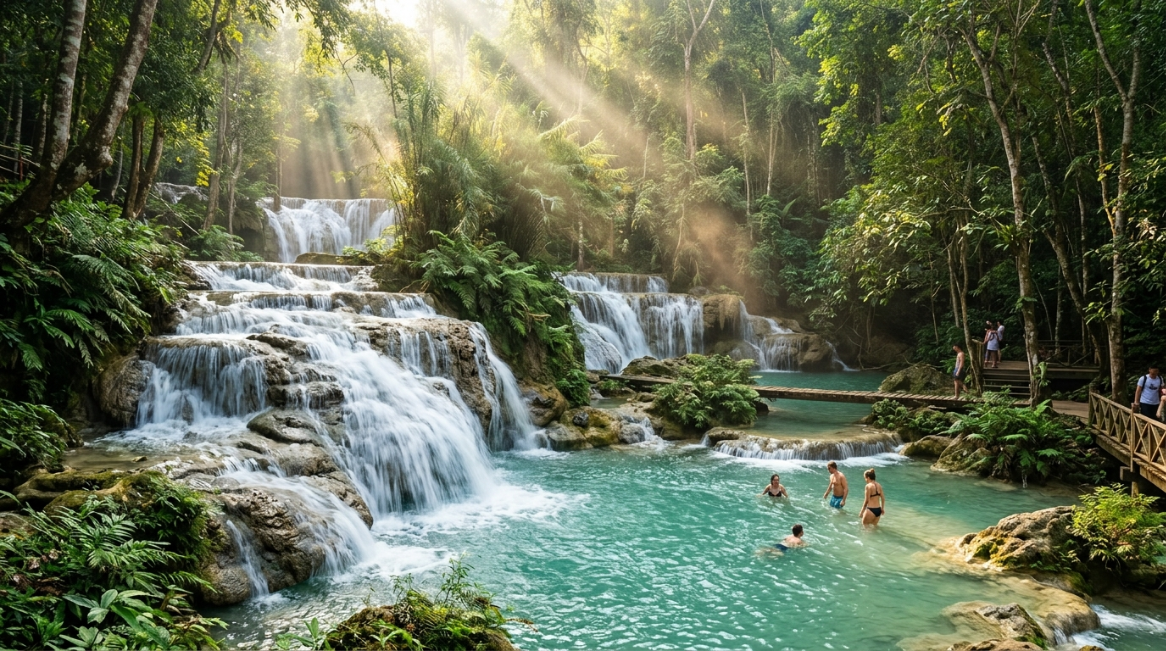
A short tuk-tuk ride outside town brings you to the Kuang Si Waterfalls, where multi-tiered turquoise pools cascade through lush jungle canopy. You can swim in refreshing mineral waters, hike to the top tier, or visit the nearby moon bear rescue sanctuary. The culinary scene surprises visitors with fragrant lemongrass sausage, crispy river weed, and freshly baked French baguettes. The trade-off is nightlife: the entire town shuts down around eleven at night under a strictly enforced national curfew, making it unsuitable for party-focused travelers.
George Town, Penang, Malaysia: The Undisputed Street Food Capital
Stepping onto Chulia Street at dusk triggers an immediate sensory rush of sizzling woks, charcoal smoke, and rich spices. Penang serves as the historical melting pot of Malay, Chinese, and Indian cultures, resulting in the most vibrant culinary landscape in Asia. You can spend entire days wandering past historic clan jetties and whimsical iron-welded street murals between meals.
Eating from plastic stools at Penang street food stalls is non-negotiable. Must-try dishes include char kway teow fried with duck egg over high flame, tangy assam laksa laced with mackerel, and flaky roti canai served with rich dhal curry. The city is unbeatable for food lovers and culture seekers. The main downside is the climate: the urban heat island effect makes Penang intensely hot and humid between noon and four, so you must plan outdoor explorations for early mornings and evenings.
Koh Rong Sanloem, Cambodia: Barefoot Island Solitude
Golden sands meeting luminescent ocean water define this tranquil Cambodian island retreat. Unlike its rowdier sister island Koh Rong, Sanloem offers a peaceful sanctuary where dirt paths replace roads and motorized vehicles do not exist. Days revolve around swinging in hammocks, paddle boarding over shallow sandbars, and watching tropical hornbills fly through coastal trees.
Taking night boat trips to swim with glowing bioluminescent plankton tours feels like floating through outer space. Saracen Bay features shallow, calm waters ideal for relaxed swimming, while Sunset Beach on the western shore delivers rugged coastlines and fiery evening skies. It is perfect for couples and travelers wanting a genuine digital detox. The trade-off is rustic accommodation standards: many beachfront bungalows rely on solar batteries and lack air conditioning or pressurized hot water.
Raja Ampat, Indonesia: The Crown Jewel of Marine Biodiversity
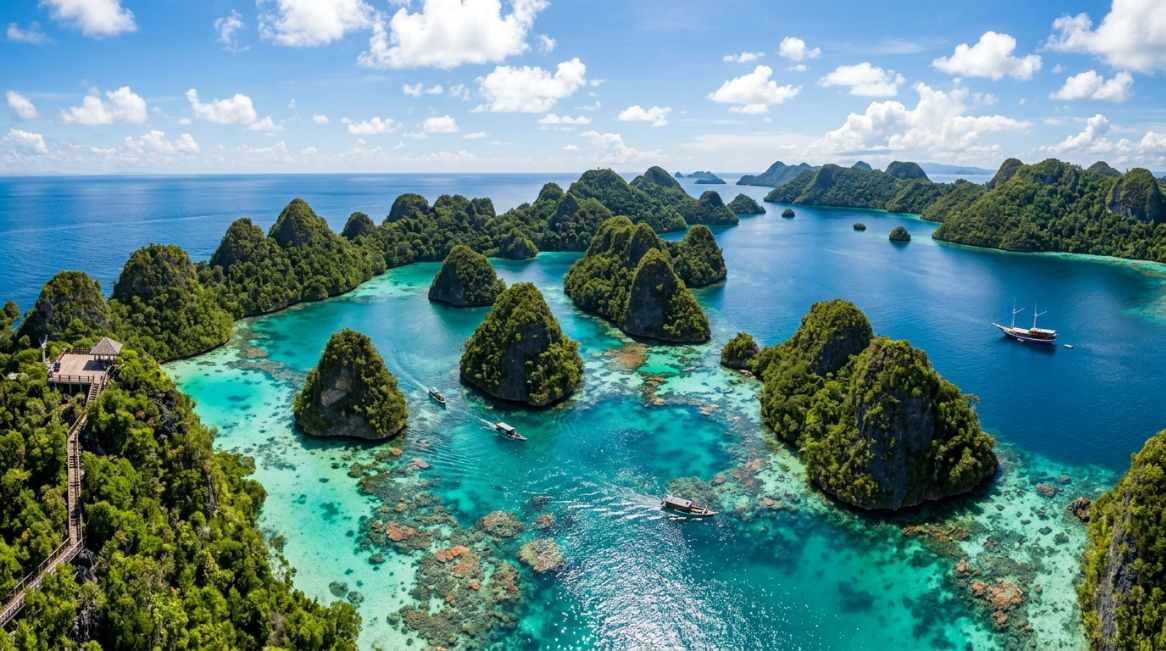
Remote waters off the coast of West Papua hold the richest marine ecosystem on planet earth. Raja Ampat consists of over fifteen hundred jungle-covered limestone islands rising out of turquoise seas, creating dramatic labyrinth waterways. Underwater visibility frequently exceeds thirty meters, revealing kaleidoscopic coral gardens teeming with manta rays, wobbegong sharks, and massive schools of fish.
Staying at traditional Raja Ampat homestays run by local Papuan families supports marine conservation while keeping you close to epic dive sites like Cape Kri and Blue Magic. The scenery from the famous Piaynemo viewpoint looks like an untouched fantasy realm. This paradise suits avid scuba divers and nature lovers. The catch is travel logistics: reaching Raja Ampat demands multiple domestic flights, an overnight stay in Sorong, long public ferry rides, and a mandatory marine park entry permit.
Nan and Chiang Rai, Thailand: Quiet Northern Traditions
Northern Thailand shines brightest when you escape the congested tour bus routes of downtown Chiang Mai. Heading northeast into Nan province and rural Chiang Rai reveals misty valleys carpeted in terraced rice paddies, traditional Lanna teak houses, and quiet mountain roads that make road tripping an absolute dream.
Scenic rides lead up to the Doi Mae Salong tea plantations, where ethnic Chinese communities cultivate high-grade oolong tea on steep hillsides. In Chiang Rai, the surreal white architecture of Wat Rong Khun and the brilliant blue mosaic walls of Wat Rong Suea Ten showcase modern Thai temple artistry. This region is a haven for slow travelers who love rural culture. The downside is the seasonal agricultural burning period between February and April, which causes heavy smoke and poor air quality across the north.
How to Choose the Best Places to Visit in Southeast Asia 2025
Matching your travel expectations with the distinct seasonal patterns of each country makes or breaks your trip. Weather across the region is divided by monsoon microclimates, meaning while Thailand and Vietnam might experience heavy downpours in August, central Indonesia and parts of Malaysia enjoy dry, sunny skies during the exact same month.
- Peak dry season: November to April for Thailand, Cambodia, Laos, the Philippines, and Vietnam.
- Island dry season: May to September for Indonesia, Malaysian Borneo, and the eastern coast of Peninsular Malaysia.
- High-speed transit: Take advantage of the Laos-China Railway to cut travel times between Vientiane, Vang Vieng, and Luang Prabang from twelve hours on buses to two hours on modern trains.
- Regional flights: Budget carriers like AirAsia, VietJet, and Cebu Pacific make hopping between countries cheap and straightforward.
Evaluating these transit options and regional weather windows simplifies curating your list of the best places to visit in Southeast Asia 2025 without getting washed out by monsoons.
Practical Transit and Survival Realities on the Road
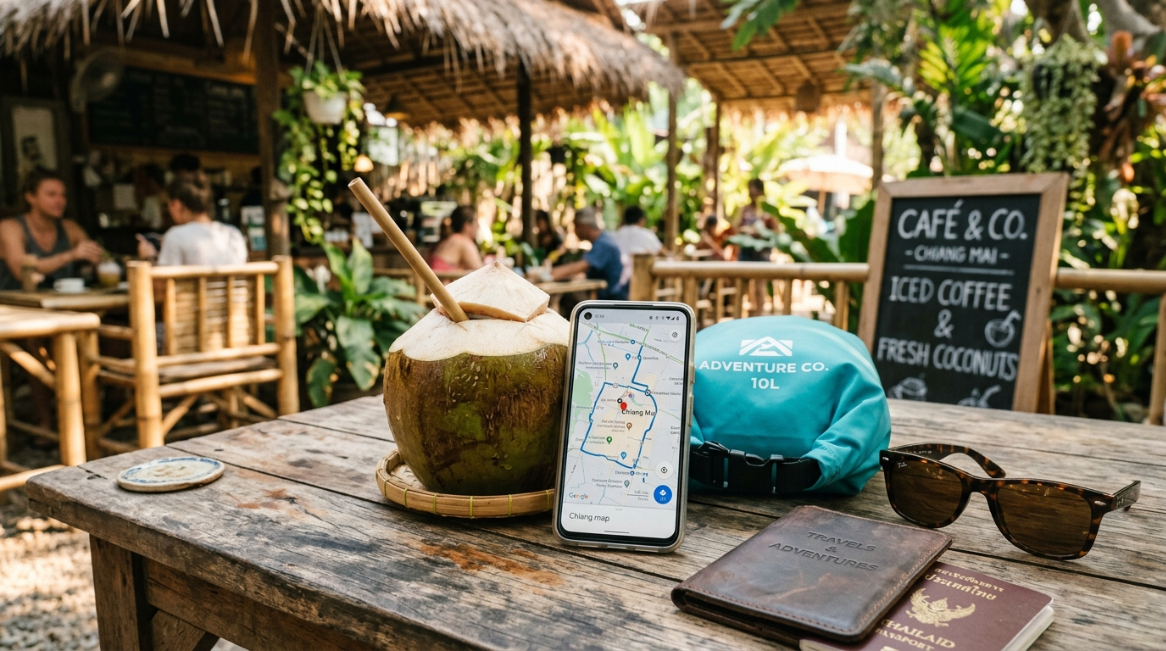
Moving smoothly through Southeast Asian borders requires a few practical tools. Buying regional eSIM mobile data plans through apps like Airalo or Nomad before landing saves you from standing in chaotic airport kiosk lines after long international flights.
Download the Grab app, which acts as the regional Uber for ordering taxis, motorbike rides, and food deliveries across Malaysia, Thailand, Vietnam, and the Philippines without haggling over street fares. Always keep a stash of local physical cash in small denominations, because night market vendors, remote island boats, and rural fruit stands rarely accept credit cards. IMO, packing an ultra-light dry bag and a universal outlet adapter will save your electronics from sudden tropical downpours and loose hotel wall sockets.
Frequently Asked Questions
What is the best time of year to visit Southeast Asia?
November through March provides the best overall weather across most mainland countries like Thailand, Vietnam, Cambodia, and the Philippines, offering sunny days and lower humidity. If you travel between May and September, head to Indonesia or eastern Malaysia to catch their dry season.
How much daily budget do I need for Southeast Asia travel?
Backpackers can comfortably travel on thirty to fifty dollars per day by staying in guesthouses, eating street food, and taking public transit. Mid-range travelers staying in boutique hotels, taking private taxis, and joining organized tours should budget seventy-five to one hundred fifty dollars per day.
Which are the best places to visit in Southeast Asia 2025 for solo travelers?
Siargao in the Philippines and George Town in Penang rank at the top for solo travelers due to strong community vibes, easy social scenes, walkable streets, and high safety ratings. Both destinations make meeting other travelers effortless through surf schools, food tours, and friendly cafés.
What is the best way to get around between Southeast Asian countries?
Regional budget airlines like AirAsia, Scoot, and VietJet offer fast, affordable flights between major hub cities. For regional border crossings within Laos, Thailand, and Vietnam, modern rail lines like the Laos-China Railway and overnight sleeper trains offer comfortable, scenic alternatives to flying.
Do I need cash or do vendors accept credit cards?
Cash remains king across Southeast Asia for street food stalls, markets, tuk-tuks, and small family-run guesthouses. Upscale restaurants, shopping malls, and boutique hotels in major cities readily take credit cards, but carrying local cash notes is essential for daily expenses.
Conclusion
Exploring this dynamic part of the world means embracing spontaneous night market feasts, unpredictable mountain weather, and warm smiles from local hosts. Giving yourself permission to slow down will always beat rushing through a checklist of famous monuments. Which of these incredible spots are you packing your bags for first?
[…] Also Read: Best Places to Visit in Southeast Asia 2026 […]