 By Usman
Exploring the top underrated travel destinations in Europe cured my burnout after getting trapped in suffocating summer crowds in Venice. Standing shoulder to shoulder with selfie sticks is not why we travel. You deserve quiet cobblestone alleys, family-run tavernas where owners pour complimentary wine, and dramatic coastal views without tour buses blocking the horizon. Incredible adventures happen when you dare to leave the predictable tourist corridor behind.
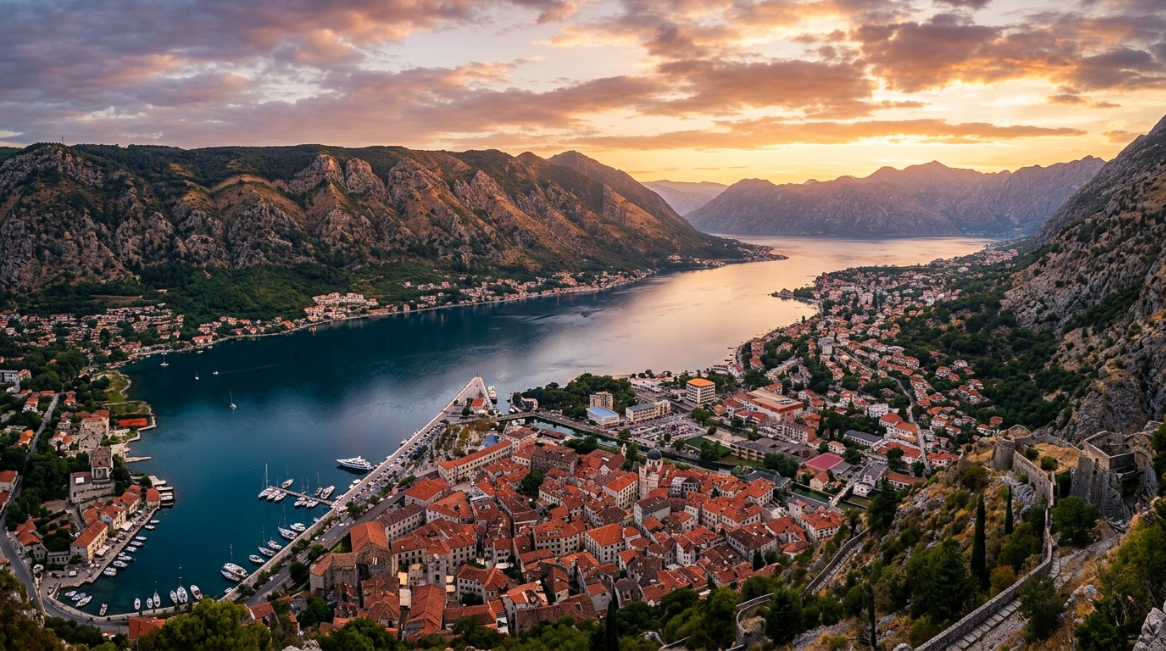
Kotor and Perast, Montenegro: Fjord Beauty on a Budget
Montenegro packs jaw-dropping limestone cliffs, sparkling blue water, and Venetian architecture into a compact coastal bay that rivals northern Norway. The fortified old town of Kotor features winding stone alleys, sleeping cats on marble doorsteps, and ancient city walls crawling up the mountain face. A ten-minute drive along the shore brings you to Perast, an idyllic fishing village with historic stone palaces and two postcard-worthy islet churches.
This region is best for scenery lovers and road trippers who want epic mountain-meets-sea landscapes without Swiss or Scandinavian price tags. Renting an open-top kayak or hiring a local wooden boat to tour the Bay of Kotor costs a fraction of an Italian boat charter. The honest trade-off is the summer cruise ship dock: when mega-ships arrive between ten in the morning and three in the afternoon, Kotor’s old town gets jammed. Escape to the hill trails or chill out in nearby Dobrota during those peak mid-day hours.
Girona and the Costa Brava, Spain: Catalan Culture and Wild Cliffs
Sitting just forty minutes north of Barcelona by high-speed train, Girona delivers all the Catalan charm you could want without the petty crime and protest banners. Walk the intact Roman and medieval city walls, explore one of the best-preserved Jewish Quarters in Europe, and gaze up at the towering steps of the Girona Cathedral. Head thirty minutes east to the rugged Costa Brava coastline to hike the Camí de Ronda coastal path linking secret turquoise coves.
Food enthusiasts and outdoor athletes will adore this corner of Spain. Girona serves as a global training hub for professional cyclists and features exceptional restaurants, including world-class pastry shops and lively pintxo bars serving locally caught seafood. The only real downside is that public buses connecting Girona to the secluded coastal calas run infrequently outside the July and August high season, making a Costa Brava rental car practically mandatory for beach hopping.
Also Read: Honeymoon Packages All Inclusive Luxury 2026
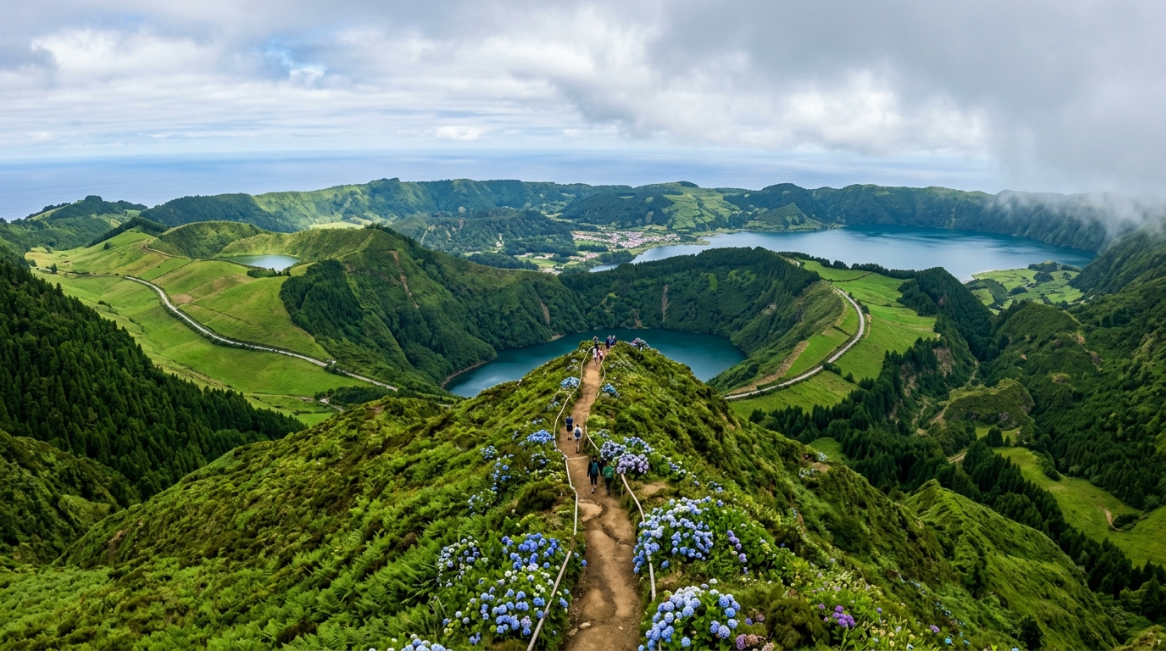
Floating in the middle of the North Atlantic Ocean, this Portuguese archipelago feels like Hawaii collided with the Irish countryside. The main island of São Miguel greets you with massive volcanic craters cradling emerald-green lakes, steamy geothermal hot springs hidden in lush fern forests, and towering hydrangeas lining every rural road.
Adventurous travelers and nature enthusiasts looking for hiking, whale watching, and total tranquility will find paradise here. Soaking in the iron-rich thermal waters of Ponta da Ferraria while ocean waves crash against the rocks is an experience you will never forget. As for the trade-off, the weather is fiercely unpredictable. You can easily experience all four seasons in forty-five minutes, which means rain gear and flexible hiking plans are absolute necessities.
Sibiu and Transylvania, Romania: Fairy-Tale Saxon Heritage
Forget Hollywood vampire clichés. Transylvania holds some of the most beautifully preserved medieval architecture on the continent, with Sibiu standing out as its crown jewel. The historic center splits into an Upper Town connected to a Lower Town by vaulted stairways and the legendary Bridge of Lies. Quaint pastel-colored houses feature unique attic windows shaped like watchful eyes that seem to follow you down every cobbled alley.
History buffs, slow travelers, and budget-conscious backpackers will get incredible value across Romania. A hearty three-course dinner featuring traditional pork stew, polenta, and local plum brandy costs less than twenty dollars. The primary downside is the regional transit infrastructure: train lines run slowly across mountainous terrain, so traveling between Sibiu, Brasov, and rural fortified churches requires patience and extra travel days.
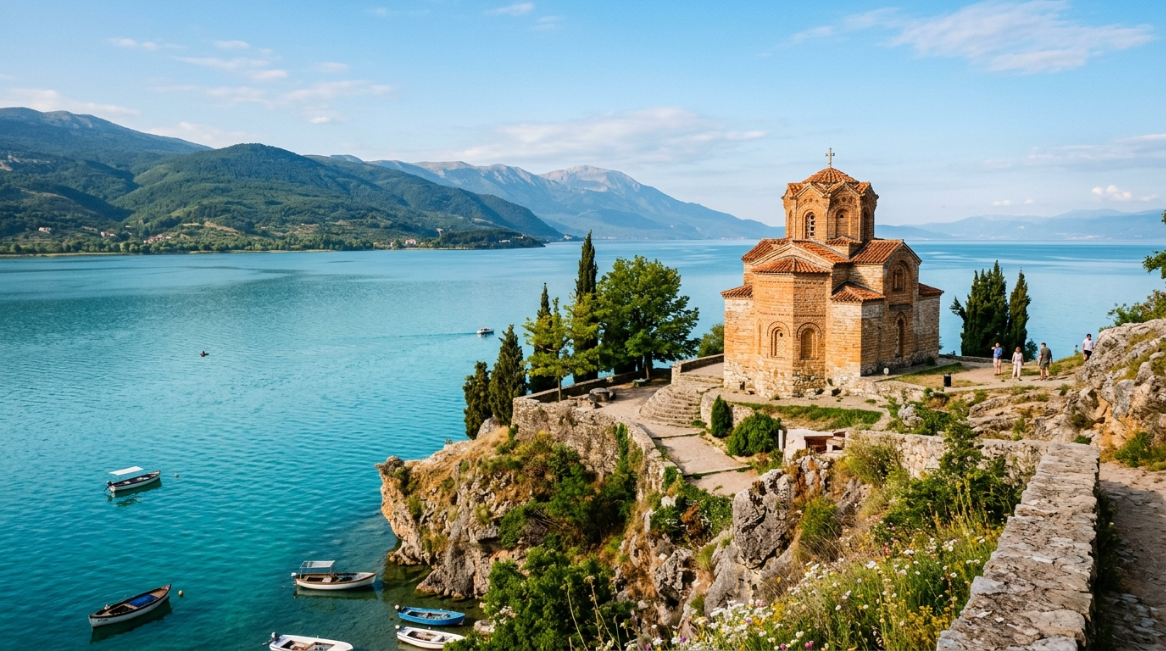
Lake Ohrid, North Macedonia: Ancient Waters and Byzantine Charm
Straddling the mountainous border between North Macedonia and Albania, Lake Ohrid is one of the oldest and deepest lakes on earth. The town of Ohrid climbs up a steep hillside crowned by an ancient fortress, overlooking dozens of terracotta-roofed Byzantine stone churches. The most stunning is Saint John at Kaneo, perched dramatically on a cliff edge above clear turquoise water.
This destination is tailor-made for travelers seeking peaceful lake holidays, fascinating Balkan history, and unmatched affordability. When uncovering top underrated travel destinations in Europe, few places stretch your budget quite like Ohrid, where lakeside apartments rent for thirty dollars a night. The trade-off is getting there: international flight connections to Ohrid Airport are sparse, so most visitors must fly into Skopje or Tirana and take a three-hour bus across mountain passes.
Puglia and Matera, Italy: Southern Soul and Ancient Stone
If you want genuine southern Italian hospitality without the chaotic price gouging of the Amalfi Coast, point your compass toward the heel of Italy’s boot. Puglia charms visitors with whitewashed seaside villages like Polignano a Mare, centuries-old olive groves, and the unique conical stone dwellings of Alberobello. Just across the regional border in Basilicata lies Matera, a spellbinding city carved entirely out of calcarenite rock ravines.
Couples and culinary travelers will find this region pure magic. Sleeping in a restored Matera cave hotel and dining on handmade orecchiette pasta tossed in fresh tomato sauce delivers true romance. The downside is summer heat and driving logistics: August temperatures frequently soar past one hundred degrees Fahrenheit, and navigating the narrow, restricted traffic zones in historic centers can test anyone’s driving nerves.
Wrocław, Poland: Gothic Bridges and Bohemian Charm
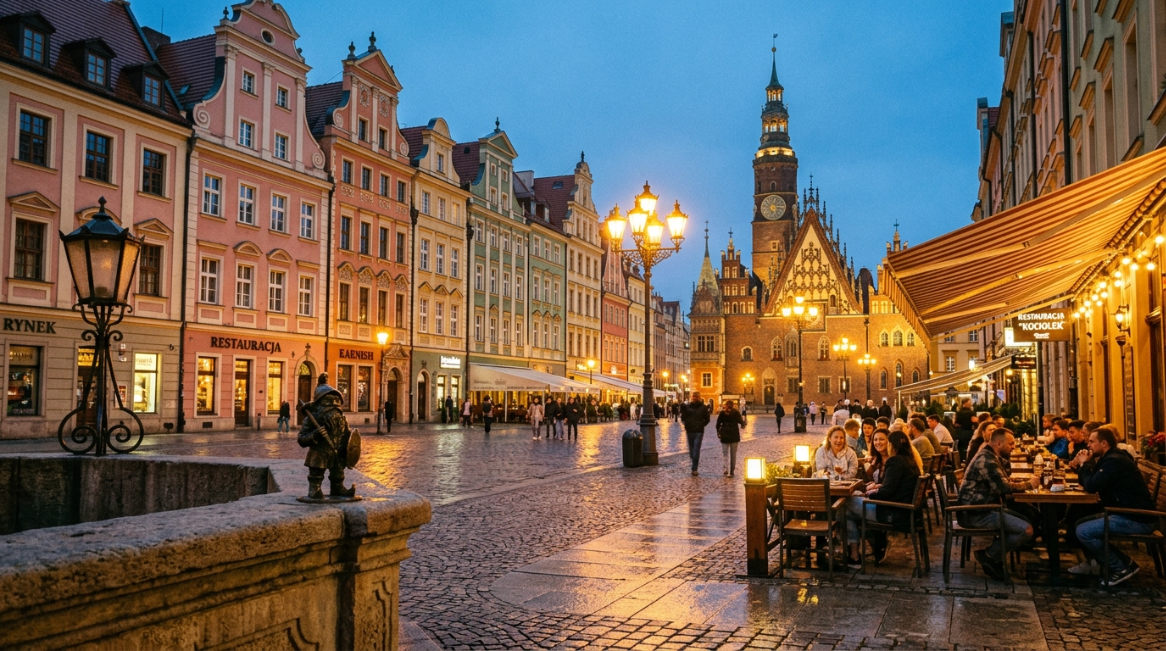
Often overshadowed by Krakow and Warsaw, Wrocław stands out with vibrant energy, historic charm, and twelve separate islands interconnected by over a hundred bridges. The grand Rynek (market square) showcases stunning pastel Gothic townhouses, lively beer halls, and street musicians. Over six hundred whimsical bronze dwarf statues hide on street corners, window sills, and lampposts throughout the city.
Urban explorers and remote workers will appreciate Wrocław’s walkable core, fantastic specialty coffee shops, and cheap craft beer bars, ranking among the top underrated travel destinations in Europe for cultural weekend breaks. Public trams run efficiently, and English is widely spoken by friendly university students. The downside is that winter days turn grey, chilly, and short, making late spring through early autumn the only ideal window for patio dining and river walks.
How to Map Out Top Underrated Travel Destinations in Europe
Building an itinerary around lesser-known spots requires shifting away from high-speed train networks and major airline hubs. Secondary cities often connect via regional bus lines or secondary airports serviced by budget European airlines like Ryanair, Wizz Air, or easyJet.
- Use Rome2Rio to identify unexpected bus, ferry, and regional train routes connecting neighboring countries.
- Travel during the shoulder season months of May, June, September, and October to enjoy warm weather with zero crowds.
- Download offline navigation maps on Google Maps or Maps.me before heading into rural mountain regions where cellular data drops.
- Keep a stash of local physical currency, as family-run tavernas and fruit markets in places like the Balkans and rural Romania do not accept credit cards.
Planning around these logistical realities helps you move smoothly between offbeat towns without missing a beat.
Packing and Transportation Realities in Offbeat Europe
Exploring off-the-beaten-track destinations means leaving heavy hard-shell rolling suitcases at home. Cobblestone streets, ancient stone staircases, and vintage passenger trains will destroy cheap luggage wheels within forty-eight hours. Stick to a lightweight travel backpack that fits into overhead bins on regional turboprop planes.
Renting a manual transmission vehicle is standard in most underrated European spots, while automatic cars are limited and double the daily rental price. IMO, buying zero-deductible insurance directly through the local car rental desk saves endless arguments over minor gravel scratches on country roads. Keep a universal plug adapter and a portable power bank in your daypack, because power outlets on older regional trains are practically nonexistent.
Frequently Asked Questions
What makes a European destination truly underrated?
An underrated destination offers rich cultural history, striking natural scenery, and authentic local food without suffering from mass commercial tourism, cruise ship congestion, or inflated souvenir shop pricing. These spots preserve genuine regional lifestyles rather than catering exclusively to foreign tourists.
How much cheaper are underrated European destinations compared to hot spots?
Lesser-known regions across Eastern Europe, the Balkans, and southern Italy are typically forty to seventy percent cheaper than cities like Paris, London, or Amsterdam. You will spend significantly less on boutique accommodations, daily public transit, and authentic meals at neighborhood restaurants.
Is English widely spoken in these lesser-known European cities?
Hospitality workers, younger residents, and hotel staff in cities like Girona, Wrocław, and Kotor speak communicative English. In rural mountain villages or smaller Balkan towns, learning a few basic phrases in the local language and using Google Translate handles daily interactions easily.
Which top underrated travel destinations in Europe are best for solo travelers?
Wrocław, Poland and Girona, Spain rank as premier picks for solo travelers thanks to walkable layouts, dependable safety records, vibrant café cultures, and easy rail connections. Both destinations host active expat and digital nomad communities, making meeting fellow travelers effortless.
What is the best time of year to visit off-the-beaten-path European regions?
May through June and September through October deliver the best combination of warm sunshine, pleasant swimming temperatures, open attractions, and calm village life. July and August bring intense heat to southern Europe, while rural winter transport schedules run on reduced seasonal timetables.
Conclusion
Choosing less obvious travel spots turns a standard trip into a genuine adventure filled with authentic conversations, spectacular scenery, and fantastic meals. Stepping away from the crowded tourist circuit gives you a fresh perspective on what makes travel so rewarding in the first place. Which of these hidden gems are you adding to your travel plans next?
[…] Also Read: Top Underrated Travel Destinations in Europe 2026 […]